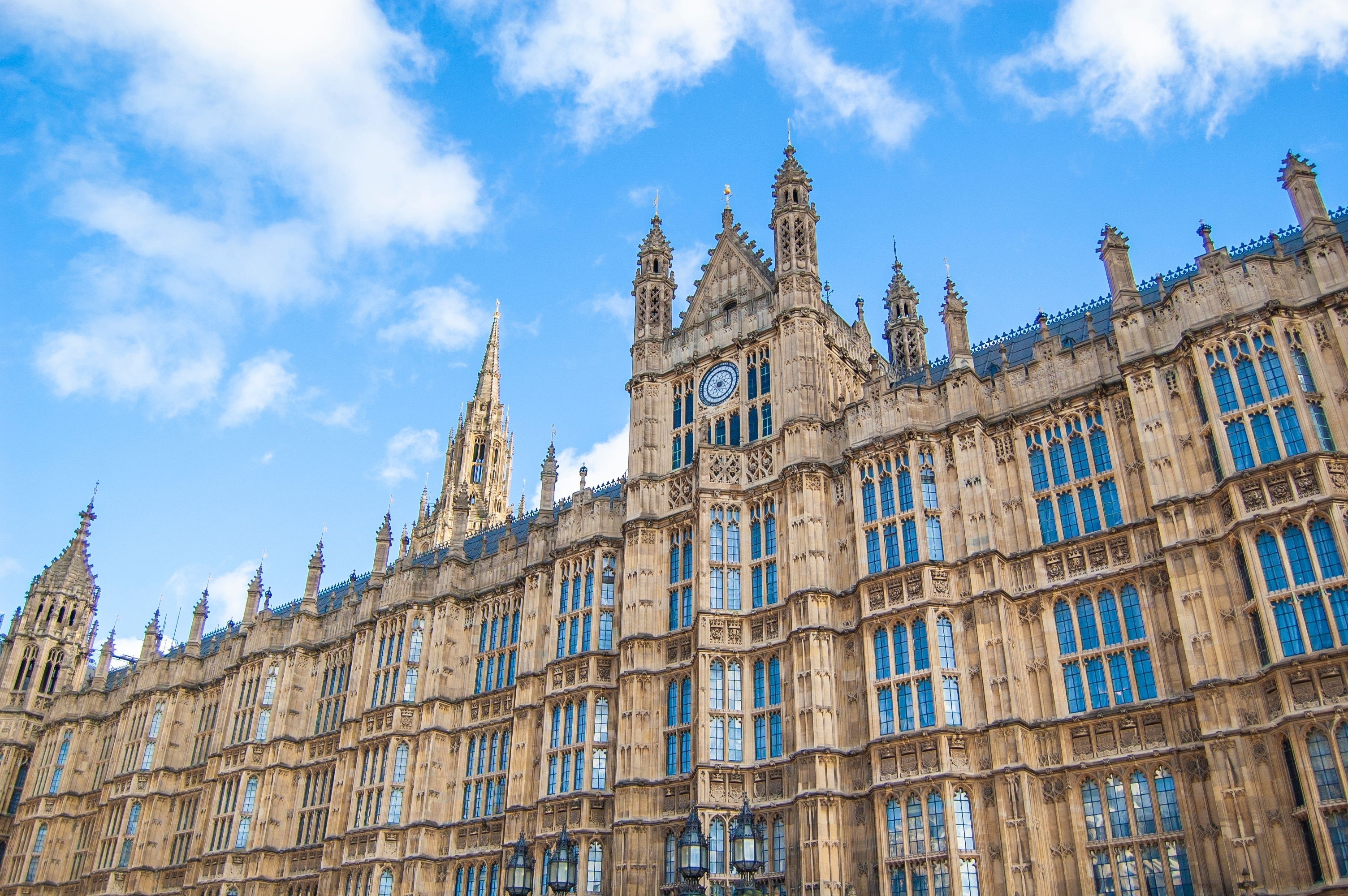


On 19 May 2026, the Commercial Payments Bill was introduced to Parliament and given its first reading in the House of Lords (Government Press Release). Announced in the King's speech (see FC Feature 13 May 2026), the Bill contains a package of measures to improve commercial payment practices and address the persistent late payment of commercial debts in the UK. Earlier this year, the government confirmed that it would take forward legislation to implement the reforms after consulting on a range of policy proposals in 2025 (see FC Feature 24 March 2026). Explanatory Notes for the Bill have also been published.
Key measures in the Bill include those set out below.
- Maximum payment terms – Part 1 of the Bill limits payment terms in commercial contracts to a maximum of 60 days, subject to limited exceptions. These include contracts where both parties are large businesses, or the purchaser is the smaller party.
- Mandatory statutory interest – the Bill imposes a mandatory statutory interest rate of 8% above the Bank of England base rate on debts in commercial contracts. Provisions also prohibit contractual terms that exclude or vary the right to statutory interest for late payments.
- Disputed invoices – the Bill provides for a term to be implied into commercial contracts that a supplier can recover a fixed sum from a purchaser where a dispute is raised late (generally less than eight days before the payment due date) or without sufficient information.
- Strengthened powers for the Small Business Commissioner (SBC) – Part 2 of the Bill gives the SBC a range of new powers, including the ability to adjudicate payment disputes outside the court process and to investigate a large company's payment practices. Where a company is found to have persistently engaged in poor payment practices, the SBC may impose financial penalties and make directions, which could include requiring the company to publish information about the investigation on its website or in the annual report. Financial penalties may also be imposed for breaches of the requirement for large businesses to publicly report twice a year on their supplier payment practices, policies and performance under the Reporting on Payment Practices and Performance Regulations 2017 and related LLP regulations (2017 Regulations).
A Factsheet on the Bill indicates that the 2017 Regulations will be amended to require large businesses to report how much statutory interest they owe and pay to suppliers as a result of late payments. The government also intends to require boards or audit committees of persistently late-paying large companies to publish commentary on why payment performance is poor and the actions being taken to remedy it.
The date for the second reading of the Bill in the Lords will be on 9 June 2026.
First published on the Corporate News Service on 20 May 2026
To view our previous blogs, please visit our blog home page.
Want to view more content like this? Or view our previous features? Sign up for a free trial of our service.